El sueño del jibarito

Mientras la plateada luna está radiantemente envolviendo al oscuro cielo, el jibarito monta toda su cosecha en su yegua, y ansiosamente se dirige al mercado de San Juan, donde él sabe que puede vendar todos sus productos. El silencio de esa serena noche se compenetra con un solemne himno de júbilo. Durante su trecho rústico, el jibarito baja lleno de alegría, felizmente cantando, y anticipando un gran día en el mercado.

Su yegua está rítmicamente trepidando porque puede percibir en el canto de su amo la dicha que llena el fresco aire de esa mañana gloriosa. Sus pensamientos alcanzan a un mundo de posibilidades, donde el jibarito espera poder comprarle un traje nuevo a su madre. Con un corazón agradecido, le dice a Dios cuanto desea sorprender a su familia con regalos, y ayudar a sus vecinos con las ganancias de su ventas.

Por Luis Germa Cijiga www.estudiocajiga.com
Por Luis Germa Cijiga
http://www.estudiocajiga.com

Cuando finalmente llega a la ciudad, un sol radiante le da la bienvenida. Más sin embargo, el júbilo del jibarito se desvanece cuando se encuentra con un mercado desierto. Al ver a alguien en la distancia, le grita con una gran sonrisa; “¿quiere cultivos frescos y deliciosos? Le doy un buen precio.” Pero aún así, una apatía se posesiona de la hermosa mañana, escuchando de respuesta; “no tengo dinero.”

Aquel largo día pasa lentamente y el jibarito no vende ni un sólo fruto. Su yegua lo mira tristemente, sintiendo el pesar de su amo. De regreso a su casa, en vez de cantar, el jibarito va llorando, preguntándole a Dios que será de su querida isla si las cosas no mejoran.

El gran compositor, Rafael Hernández, describe en su canción, Lamento Borincano, la situación económica en Puerto Rico durante la Gran Depresión. El jibarito enfrentó años muy difíciles para mantener a su familia. Aunque careciera de educación y su condición fuera muy pobre, el jibarito heredó de los antepasados indígnenos la magia que llenaba su corazón de dicha. La hospitalidad era una de sus mejores virtudes, y a pesar de lo dificultosa que las cosas estuvieran en la isla, él siempre se sintió muy orgulloso de ser un Boricua.

El nombre jíbaro fue derivado del lenguaje taíno, significando gente del bosque. Al aprender a vivir en armonía con la naturaleza, él encontró un paraíso en los pueblos campestres de Puerto Rico. Debido a que el jibarito era un Boricua analfabeta, mucha gente llegó a subestimar su sabiduría, categorizándolo como alguien inferior.

Se distinguió por sus amplios talentos y así como los Taínos, la cultura puertorriqueña ha heredado muchas de sus costumbres y tradiciones; mencionando como ejemplo al lechón a la varita. La música fue un gran componente en su vida, expresándose como poeta, compositor y cuentista. No tenía dinero para pagar la electricidad y por eso, en vez de mirar la televisión, le gustaba reunirse con sus vecinos para componer canciones con sus instrumentos de percusión que construía manualmente.

Ya no se acostumbra a encontrarse a un jibarito en la isla. Más sin embargo, de vez en cuando uno puede encontrarse a uno viviendo en una región montañosa de esos pueblos aislados de la ciudad metropolitana.

Recuerdo cuando tuve la dicha de conocer a un jibarito anciano durante mis años de universidad. Me gustaba visitarlo porque él disfrutaba al contarme muchas historias verídicas del siglo anterior en la isla. Así como los indios Taínos, él veneraba la naturaleza y me aseguraba que si aprendemos a percibir la magia a través de la madre naturaleza, nuestras vidas se enriquecerán con gratitud.

La expresión favorita que él decía era; “La vida es como las olas del mar, situaciones vienen y van con la corriente del océano, y depende de nosotros decidir si queremos aprender a navegar suavemente ese mar, o a ahogarnos en su profundidad.

Un día le pregunté a mi sabio y viejo amigo; “¿cuál es el sueño del jibarito?” El hizo una pausa prolongada para pensar en su respuesta, y con una sonrisa en sus ojos me dijo; “que todos los puertorriqueños aprendan a querer la isla como yo la quiero…”

“¿Qué le gustaría que los puertorriqueños hicieran?” Yo le pregunté para oír su contestación que se hacía eco de la brisa de aquel día. “Me gustaría que vean la magia en la naturaleza y que aprendan a respetarla. El coquí es el hada de Puerto Rico que nos trae armonía. Desafortunadamente, todavía hay mucha gente ciega e ignorante.” Declaró el jibarito con dolor en sus ojos oscuros.

Mi amigo falleció hace ya dos décadas atrás. Cada vez que escucho la canción Lamento Borincano, lo recuerdo como a un ser que vivía en un mundo de magia. Los Taínos fueron muy buenos maestros para los jibaritos. Y así como mi gran amigo el jibarito, yo también me siento muy orgullosa de ser Boricua, agradeciéndole a nuestros antepasados el gran patrimonio que hemos heredado.

New Memories of the Little Girl

On my most recent trip to Puerto Rico, I took with me, my inner little girl. When I asked her what would she like to pack, she said a notebook and a pen. “For drawing?” I asked her, writing those things on my list to take. “For writing new memories,” She said, sharing with me some old memories that have shadowed her view of the world. Oblivious that she has felt lonely and abandoned, I sat her on my lap. Looking deeply into her dark and mysterious little eyes, I said with love, “from now on, you won’t have to feel lonely and abandoned anymore. I am here for you, and I want you to know you are safe with me.”

Jobos Beach by Jerry Valentín
Jobos Beach
by Jerry Valentín


Our first destination was at Jobos Beach in Isabela, on the Northwest side of the island. Feeling gratitude for the clear skies and refreshing breeze of that morning, we went for a nice long walk. While the soft sand and the fresh water caressed our feet, I could see our silhouettes dancing at the seashore. We contemplated the seagulls feeding their babies, and a group of fish navigating in harmony throughout the crystal waters.

Jacinton's Well by Jerry Valentín
Jacinto’s Well
by Jerry Valentín

As we walked to Jacinto’s Well, I told her of the famous legend that brings thousands of tourists to this beach every year. When we approached the small and deep hole on the rocks, my inner girl feared that the tenacious wind and high ocean waves would throw her into the deep waters.

Jobos Beach
Jobos Beach

Holding her trembling hand tight, I calmly said to her; “by grounding yourself in this world, your soul and your guides will protect you. As spiritual beings we are living inside of a human body, it is crucial we understand that by asking Mother Nature to root our feet to this earth, we will gain the balance to ascend our minds.” Quietly nodding her head, she let go of my hand, and as we both felt the salty and powerful gust kiss our lips, she calmly stood at the edge of the high cliff that faces the ocean.

SONY DSC
El Yunque Rainforest

Our next destination was to El Yunque in the East. While I was driving through the sheltered curves of gigantic bamboo trees, I told my inner girl we would visit another world. “Our ancestors, the Indian Taínos guard the mystical forest”; I said, raising my eyes and pointing to the sky with my right hand to add; “up there, many secrets that teach us how to ascend our consciousness are only shared with those that seek the truth.” Embracing the mystery that always seemed so familiar to my inner girl, she smiled, asking me; “Are you taking me to heaven?”

She was determined to make it all the way to El Toro Peak, which is about a four hours hike. However, after half way, my little girl became exhausted, trying very hard to keep up with my pace. She didn’t want to quit, pushing her small legs hard. Picking her up in my arms, I assured her one more time she was safe, and sitting her little body on my shoulders, I carried her all the way to the top of the peak. The long and elevated hike concluded at the Dwarf Forest.

El Morro Fort by Jerry Valentín
El Morro Fort
by Jerry Valentín

Up there, the clouds welcomed us, becoming the forest an enchanted woodland of stunted trees that took the appearance of elves. Laying down on the ground, we allowed the elfin vegetation delight us with their magical performance, watching the spirits of the forest dance for us. As we hugged those elves that have branches instead of arms, we went down, down, down, singing while we marched with the rhythm of the eery forest.

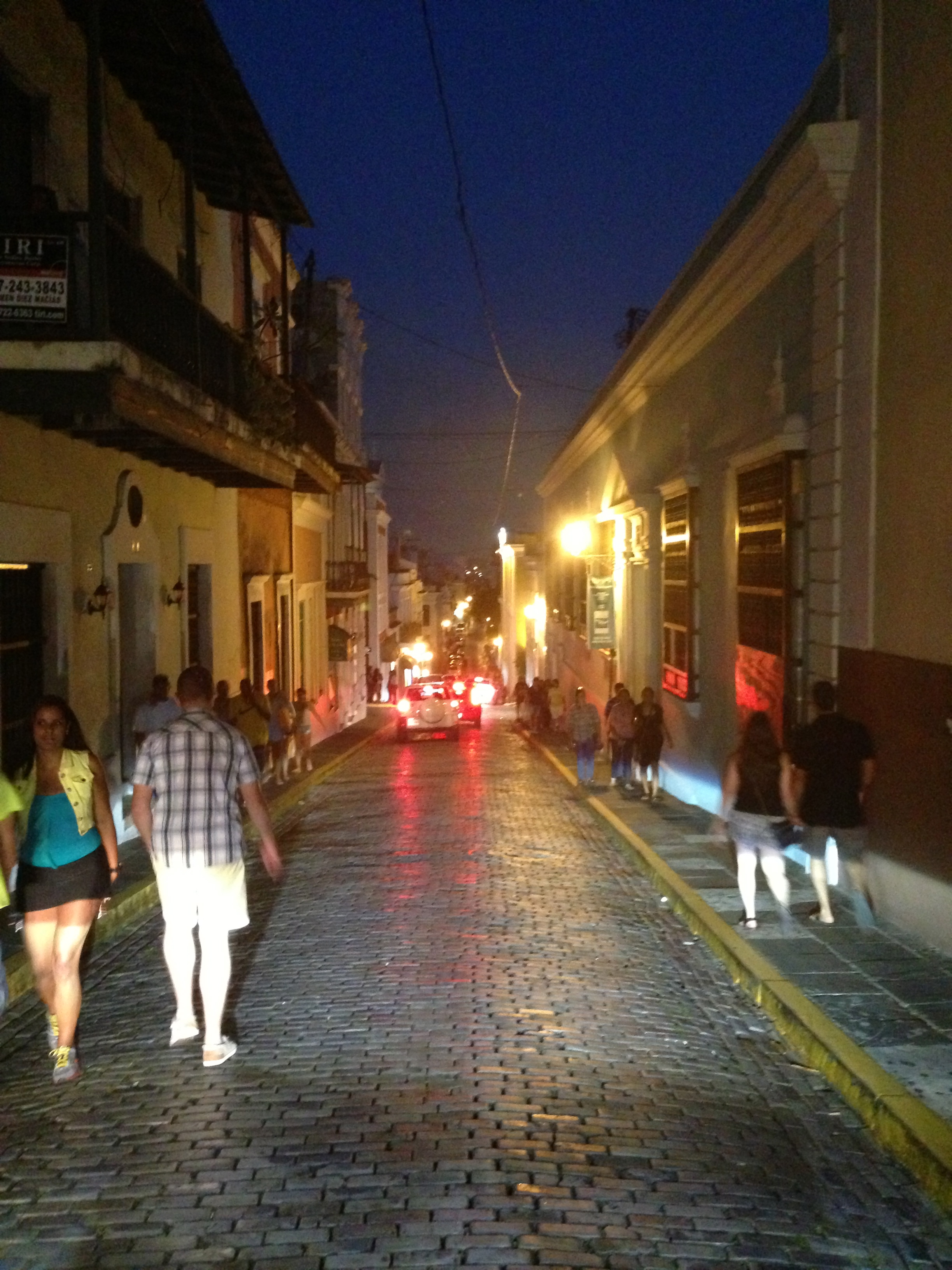
Heading to Old San Juan, once we got there, we cruised through the colorful and cobblestone ancient streets. In that glorious afternoon, we joined dozens of kites in every color and size that were floating in the bright sky. Giving the illusion that our kite was an angel flying in the firmament, we contemplated the playful and gentle wind whispering joy through the spectrum of the sun rays.

Abruptly, my little girl froze while she stared at the fort with much fear. When I asked her what was wrong, she told me she could see ghosts everywhere.

Old San Juan streets

“This fort was built to protect the island from attacks; however, in this fortress many pirates were killed as a punishment for their crimes.” I told her, wishing I could see them too.

“Are they going to come after me?” She asked me with a frightened glint in her little eyes.

“I wont let them.” I replied with a wink. And embracing each other, we walked throughout the old town with the conviction that those ghosts were a reminder that we are never alone in this world.IMG_0699

Watching the candent sun slowly descend into a garnet horizon, I noticed my inner girl was yawning while she was peacefully closing her little eyes. As I took her in my arms, and the shadows of the night allowed a new moon to arise in the velvet sky, she fell asleep. Treasuring those wonderful new memories, I thanked my inner girl for her innocence and her giggles, reminding me what life should be about.IMG_0124

Un pedazo del cielo en Isla Bonita

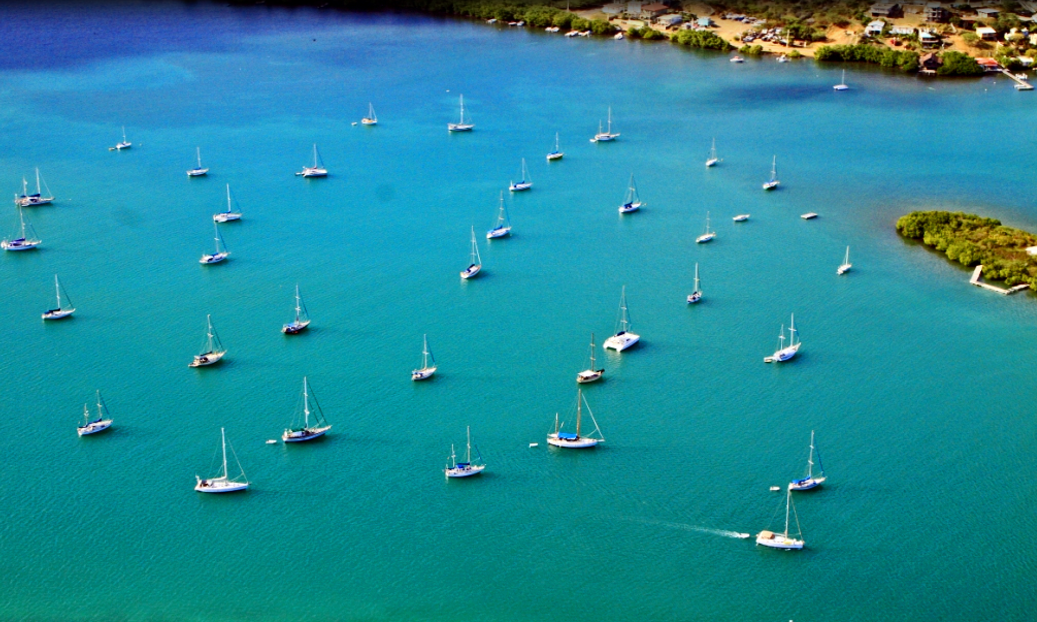
Después de visitar a Culebra, hace ya varias años atrás, decidí regresar para conectarme con su energía maravillosa. La pequeña y preciosa joya que pertenece a la Isla del Encanto, es también conocida como Isla Bonita.

Culebra By Jerry Valentin
Culebra
By Jerry Valentin

Rodeada de las aguas cristalinas y turquesas del mar caribeño, esas tierras de 7 millas de largo y 3.5 millas de ancho, son un jardín mágico que está siempre prometiendo una estadía placentera. En mi búsqueda de palabras inspiradoras y de retratos extraordinarios, en esas tierras vírgenes encontré al cielo en la tierra.

Fajardo to Culebra ferry

El viaje del ferry entre Fajardo y Culebra es solamente de una hora. Cuando llegué, como a las cuatro de la tarde, tomé un taxi para registrarme en mi hospedaje. Sintiendo el antojo de comer mariscos, decidí cenar en Mamacitas. Mientras caminé al restaurante, me deleité con la brisa refrescante que juguetonamente abanicaba las ramas de los árboles tropicales.

Durante mi caminata de 30 minutos, contemplé las estrellas relucientes, radiando un suplido a través del cielo que brillaba entre el viento. Yo pude oir el canto de un búho resonando con el alma de la isla y el resplandecer de la luz de las estrellas.

Después de comer un plato delicioso de mariscos, caminé de regreso, encantada con la brisa que chocaba con mi piel. Debido a que algunas de las carreteras rurales de Culebra no tienen postes de luz, el único alumbramiento fue el brillo parpadeante de las estrellas. Usé la linterna de mi teléfono celular para iluminar el camino. Luego de caminar por más de una hora y realizar que había tomado la carretera equivocada, noté que la batería de mi teléfono estaba rápidamente llegando a su final. No tenía la remota idea de donde estaba. Aún así, no tenía miedo porque sabía que yo siempre tengo ángeles velando mi camino.

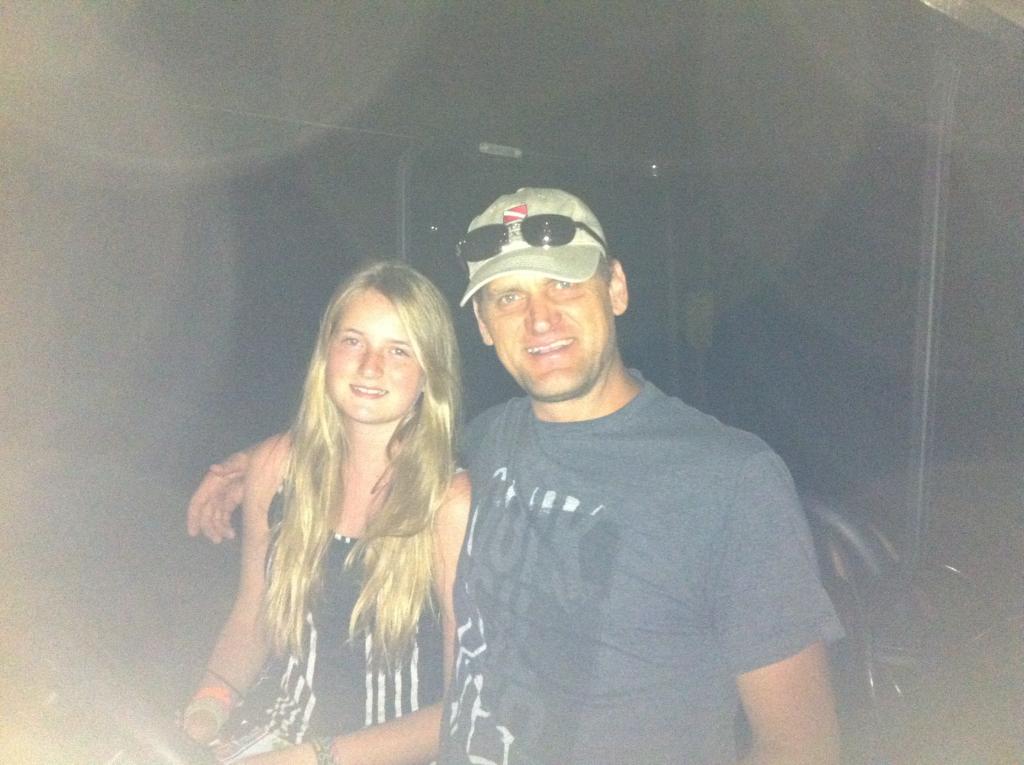
Shawn and Lucca
Shawn and Lucca

En Culebra no hay nada que hacer en un lunes por la noche, especialmente después de las 10:30 de la noche. Mientras más tarde es, menos gente uno ve en las calles. Así que me encontré sola en un camino desierto y sin luna, preguntándome como iba a regresar a mi hospedaje. Momentáneamente, Shawn, un turista muy amable que estaba visitando a Culebra con su hermosa hija, Luca, paró su carro de golf para ofrecerme ayuda. Durante esos minutos mientras él condujo hacia el lugar donde yo me estaba quedando, le expresé mi gratitud por su gentileza, pero más que nada por poder confirmar que siempre hay ángeles en esta tierra.IMG_2088

En la siguiente mañana, renté un carro de golf. Fui a muchos lugares, explorando todos los rincones aislados de la Isla Chiquita. Aunque estaba sola, podía escuchar a través de su naturaleza las voces angélicas que guiaban mis pasos y me conectaban con mis guías.

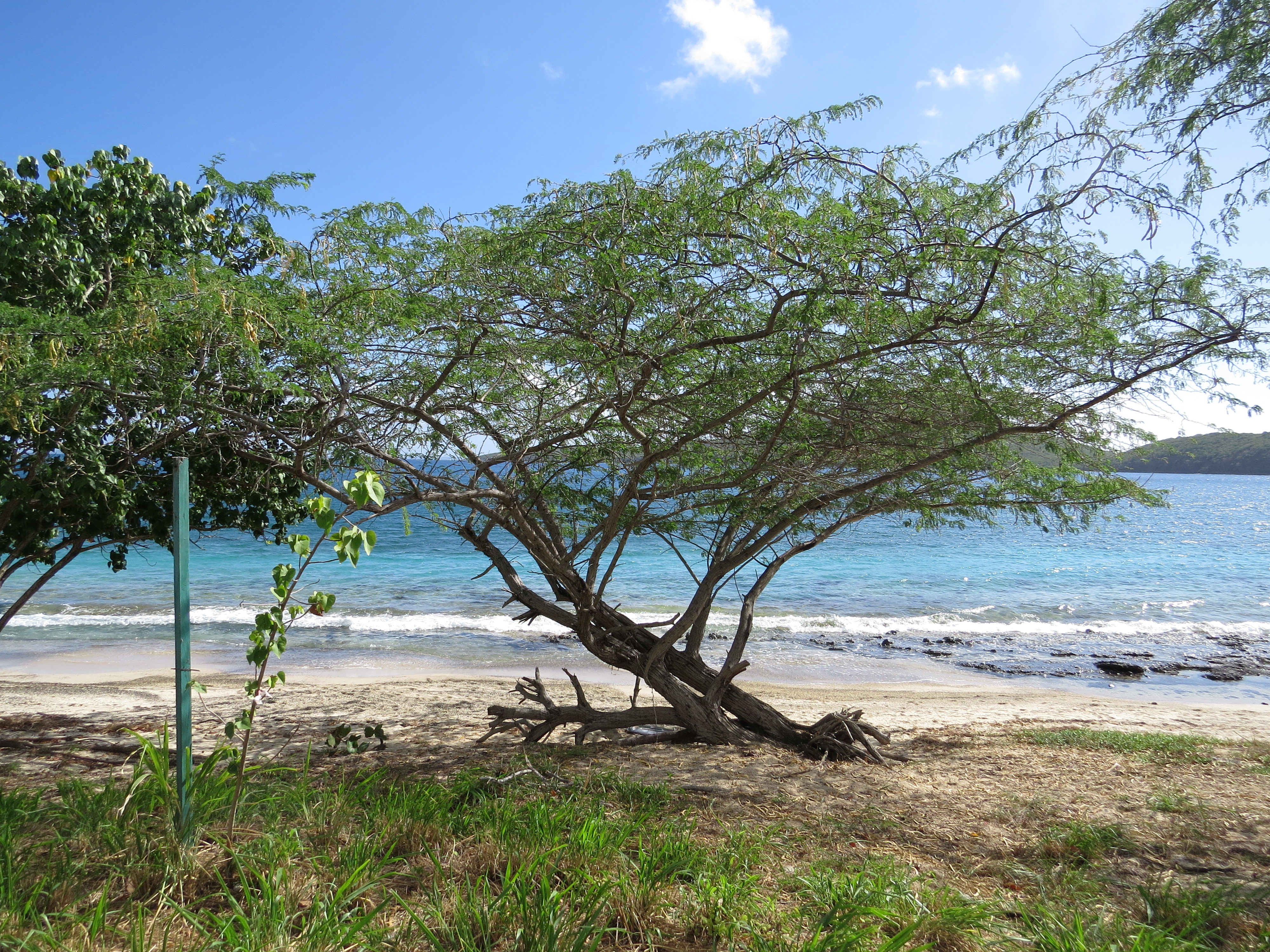
Punta Soldado Beach
Punta Soldado Beach

Hice muchos amigos y me sentí muy agradecida por la hospitalidad tan genuina de los Culebrenses. Ellos van por la vida llevando un brillo interior como un globo en sus almas. Mientras ellos caminan con un ritmo alegre y una sonrisa animada, ellos le dan la bienvenida a los turistas con un corazón muy abierto.

Apreciando sus pequeñas y modestas casitas, ellos expresan la abundancia que siempre están recibiendo a través de su hermosa isla. Allí no hay miseria, coronando a tan entrañable lugar con un velo de armonía.

Hay una serenidad en el agua salada que puedes inhalar en cuanto pones un pie en la isla. El ruido es reemplazado con el zumbido de la brisa y el gozoso gorjeo de los pajaritos. El crimen es una actividad poco común que no es tolerado por los Culebrenses, como la gran familia que son.

Javier Cintrón
Javier Cintrón

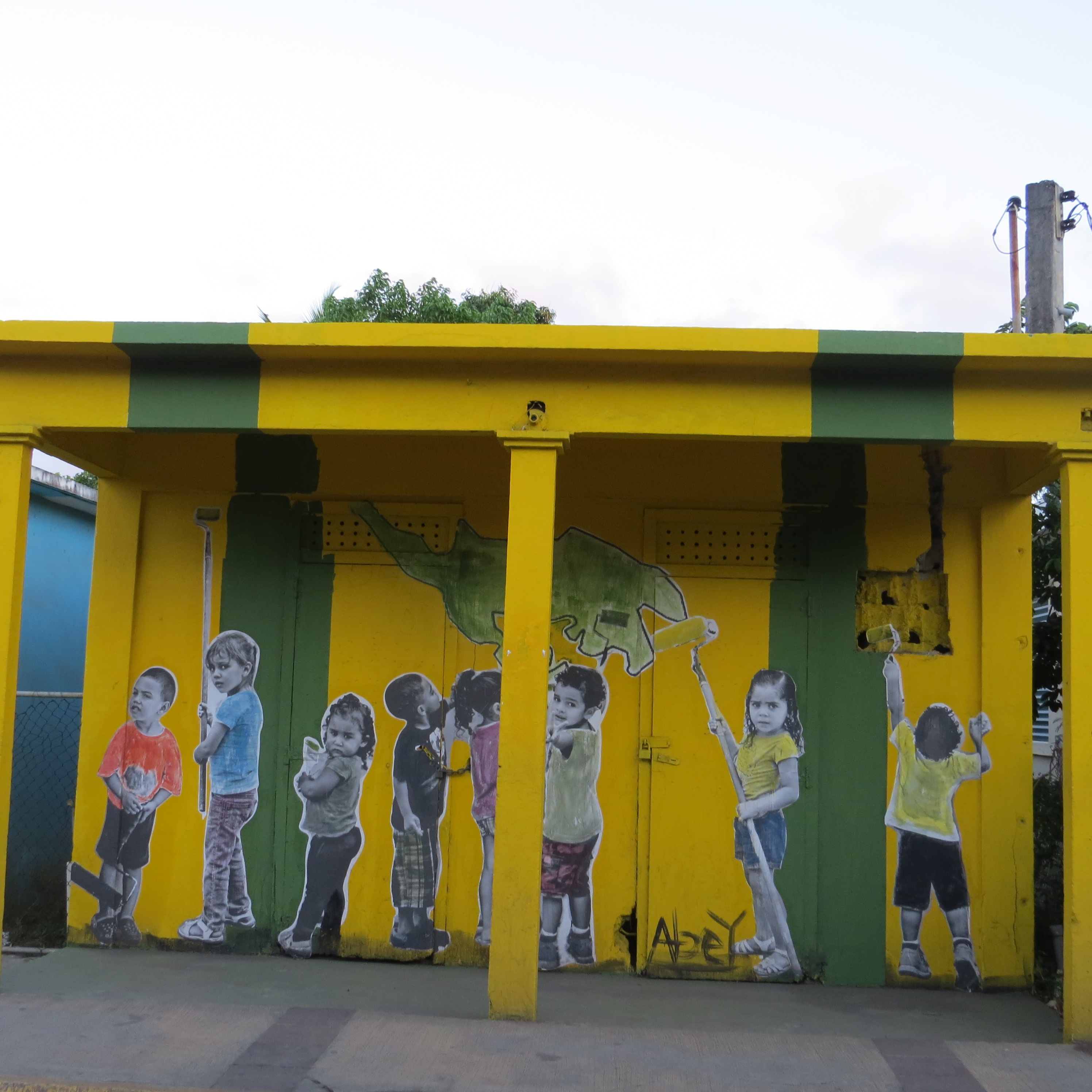
El tráfico se convierte en una parada festiva de carros de golf, entre otros carros que cortésmente y en orden perfecto conducen. Isla Bonita está rodeada de murales artísticos y de colores vivos.

Mientras los animales en Culebra disfrutan de su libertad en la isla, los perros se ven sin correas, solamente ladrando si hay amenaza en el ambiente. Los gatos se ven en todas partes, permitiéndole a los visitantes de todas partes del mundo que exploren sus lugares.

Abey Charrón
Abey Charrón

En mi último día, yo sentí que un pedazo de mi corazón se iba a quedar en Isla Bonita. Enamorándome de sus ambientes, me di cuenta que mi conexión con la naturaleza es mucho más fuerte allá. Caminé a la plaza para despedirme de todos mis amigos locales y antes de abordar el ferry, prometí que regresaría pronto para continuar alimentando a mi espíritu con la magia de tan maravilloso pedazo del cielo. ¡No puedo esperar a regresar!

Thomas Dambo
Thomas Dambo

The Art Surrounding Culebra

A New Island of Enchantment

Every time my flight lands on the Island of Enchantment, I feel so fortunate to be able to return to my favorite place in the world. As the airplane begins to descend, I contemplate through its window the pearly ocean waves breaking into the crystal blue waters. Magnificent is one of the words that go through my mind, thanking Mother Nature for gifting us with such a magical and beautiful place.

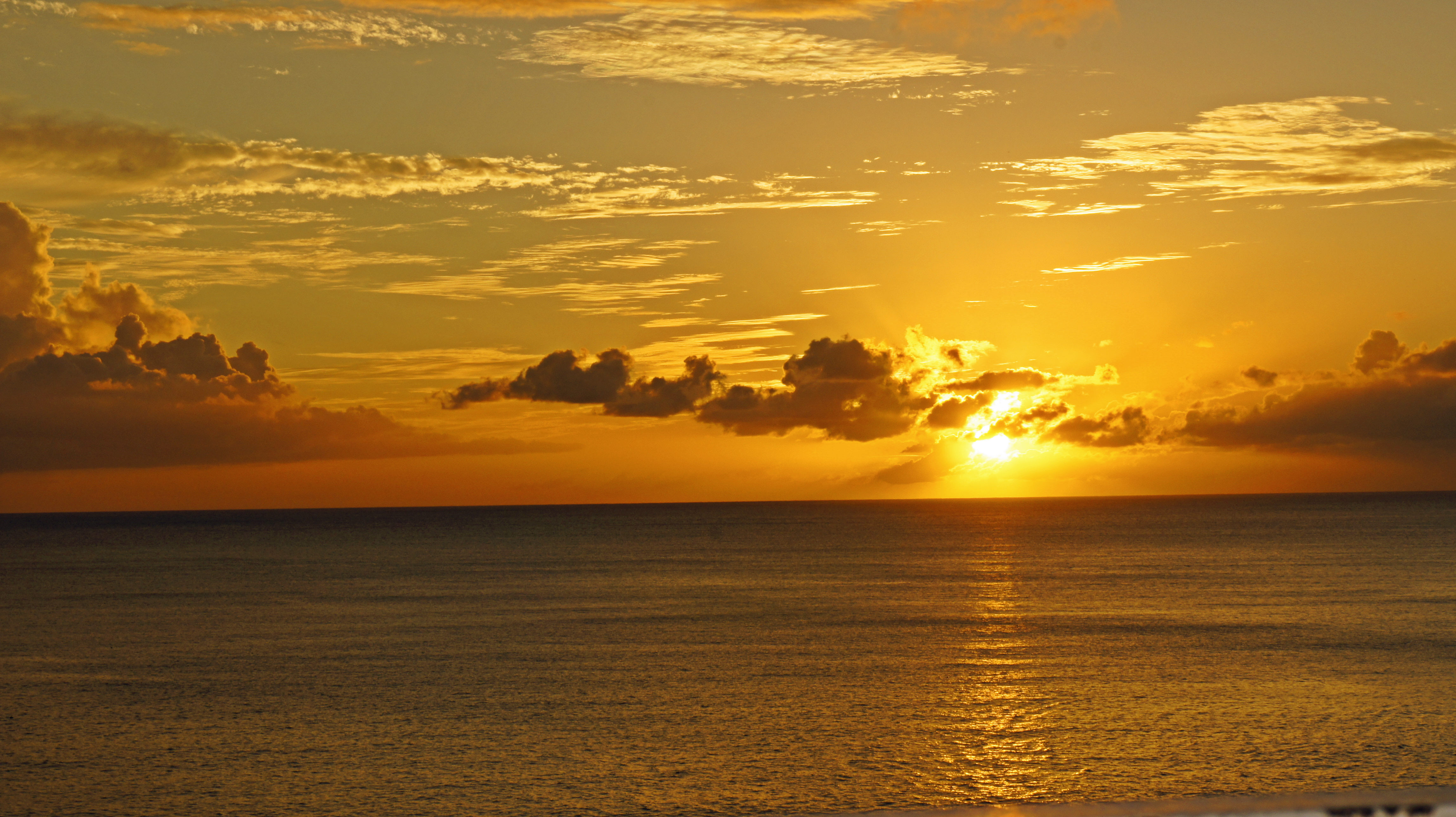
Aguadilla Sunset by Jerry Valentín
Aguadilla Sunset
by Jerry Valentín

While the playful breeze flows through the palm trees, a melody of drums, maracas, güiros, and cuatros complements the joyful personality of the natives. The illusion that people dance instead of walking becomes alive when they graciously move their bodies, by swirling their legs and arms with the rhythm of the music.

I am always so happy to be there, delighted by a serenade of coquíes caressing us with their music after a quick shower splashes the land, I know I am home, in my Island of Enchantment. Captivated by the moment when the sun majestically submerges into the ocean, my heart rejoices while I focus my gaze into a sky that is shining with tiny bright stars.

Capture37

Feeling free, and touched by the enchanting sprinkle of its tropical nature, right after a marvelous sunset, I feel like going for a walk on the beach. “You can’t do that.” I hear my relatives telling me. My silence triggers an explanation, insisting that it is not safe. Many Puerto Ricans claim the economy keeps getting worse, and the crime rate keeps getting higher. As my mind returns with nostalgia to those days when I was a little girl, everything seemed so safe and free.

The perception the locals have about their island has changed so much. The bliss I feel through nature is blurred with shadows of fear. Instead of declaring that things are getting worse, why not try to change that perception? If we take the time to educate ourselves and our surroundings with the means to create a strong consciousness of what entails being a Boricua (Taíno name for Puerto Rican), we could make such a meaningful difference.

By Jerry Valentín
By Jerry Valentín

The human nature always takes for granted what becomes a routine. For most of the Puerto Ricans, the island is just a typical and natural habitat, and only very few would want to take the time to care for it. As Puerto Ricans, we have been gifted with the legacy of the Indian Taínos, our ancestors, have left us. They honored this land, considering it a paradise until the Spaniards discovered it. They believed certain areas of the island were sacred, ascending their minds and spirits through a dimension where they could connect with their divine selves.

Instead of criticizing its economy and social situation, why don’t you ask yourself; “what can I do today to improve the conditions of the island?” You may think that one person can’t make a difference. But, I assure you, your contribution could be inspiring to others, who would want to follow your actions. Every consequence is the reflection of thought. Change your perception and you will see the results! You have the power to do it

Have you given thanks for the consecutive years when destructive hurricanes or earthquakes didn’t touch Puerto Rico? Have you felt bliss during those splendors sunsets when the warm sun diffuses into the sky, allowing the visible moon to lighten our evenings? Have you felt the angels whispering words of love when the music of a coquí soothes your spirit?

Have you gone swimming into the pristine waters the Taínos believed to have healing powers? Have you being to El Yunque and heard the energy buzzing through the woodland? As you hike the highest peak, you will witness slanted trees becoming playful gnomes that are manifesting their magic.

The first time the Spaniards landed Borinquen, they referred to Puerto Rico as the Island of Enchantment. Back then, the small island was surrounded by gold and precious stones. While the Taínos respected and worshiped Mother Nature, the ambition of the Spaniards transformed them into tyrannies, taking advantage of their hosts. Throughout the centuries, instead of spiritually evolving like the Taínos, many people have become blinded.

by Frankie Luceca/Flickr
By Frankie Luceca

If you keep taking the island for granted and asserting how bad the environment is, you are contributing to the deterioration of our home. I urge you to join forces together, as proud Boricuas we are, we can make a difference, changing our perception to amend the consciousness of the masses. This world would never be the same without Puerto Rico. Gratitude toward the island, and mostly for being a Boricua, is the first step you can take toward restoring the collective morale of our Island of Enchantment. Little actions could miraculously attract significant results. Let the magic of our homeland touch you and by sharing it, watch its wonderful results.

Castillo El Morro By Jerry Valentín
Castillo El Morro
By Jerry Valentín

2014 in review

The WordPress.com stats helper monkeys prepared a 2014 annual report for this blog.

Here’s an excerpt:

A New York City subway train holds 1,200 people. This blog was viewed about 7,600 times in 2014. If it were a NYC subway train, it would take about 6 trips to carry that many people.

Click here to see the complete report.

La Navidad Boricua

by Luigi Strano/Flickr

As the cold air rhythmically travels with the falling leaves whose dyed petals are descending into a carpet of colored foliage, a distant wave of snow is tenderly sprinkling the woodlands of the United States. The brisk breeze and shorter days of autumn delight Americans weeks before Christmas day while hundreds of pine trees are collected to go on sale.

by Evanthia
by Evanthia/Flickr

While Americans love embellishing their trees with beautiful ornaments collected over the years, drinking eggnog, and singing traditional Christmas carols, Puerto Ricans are always looking for an excuse to throw a party, gathering some friends together to decorate the tree. As they envelop the branches with garlands of lights, they welcome La Navidad Boricua (Puerto Rican Christmas) with the musical notes of salsa. While the upbeat melody leads their swirling bodies—they move their arms and legs with the rhythm of the twinkling lights.

When the Boricuas (a name for Puertorricans) finish putting the Christmas decorations, they travel around with a parranda (the Puerto Rican traditional carols). Gathering their musical instruments, they walk to a neighbor’s house, assaulting him with traditional songs. All kinds of percussion instruments are heard, dictating a conga the movements everybody should follow, growing the trulla (same as parranda) that goes from house to house until late hours in the evening.

by Andrea Massimini/Flickr
by Andrea Missimini/Flickr

While mistletoe sparks love in the United States and the oscillating smoke of burning chimneys dissolves the fumes into a blanket of snowflakes, the peaceful silence a white Christmas evokes is always promising a miracle in such a flying time. Mother Nature decorates La Navidad Boricua on the Island of Enchantment with a magical touch. At night, the crystal blue ocean waves become snow while they crash with the tide, illuminating the sky with hundreds of glowing lights that rhythmically fall into the Caribbean Sea.

by Frankie Luceca/Flickr

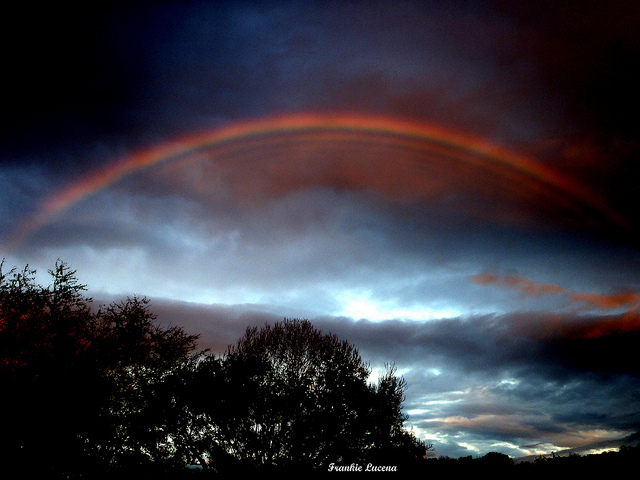
Nine days before Christmas Eve, a Misa de Aguinaldo (Mass) is celebrated between 5 and 6 in the morning to spray joy into La Navidad Boricua. Right at sunrise, instead of snowflakes, a magnificent rainbow takes over the tropical firmament, transforming the passing clouds into colorful butterflies. A gleeful chime navigates through the depth of the Pacific Ocean while the mingling melody of the coquís (a native tree frog) blow a magical spell across the island.

En la Noche Buena (Christmas Eve), while the children in the United States leave gingerbread cookies and milk for Santa and his reindeer right before going to bed; the puertorrican kids bake enough polvorones (tiny sugar cookies) to feed the entire North Pole. As the churches carry on their Misa de Gallo (Midnight Mass), a magical dust alters the air, inhaling everybody the peace and love of such a special time during La Navidad Boricua.

En la Navidad (Christmas Day), our ancestors, the Indian Taínos, and an army of angels are joyfully welcoming Baby Jesus into the world. While Mother Nature is painting our sunrises with a bright sun, splashing the land with a spectrum of metallic colors, the evening follows the tempo of the ocean waves, surfing with the high and lows of its musical notes.

by Leonel
By Leone/Flickr

A spiral smog of a big lechón asao (pork roasted) is fanned by palm tree branches, entwining the salty air with an aroma of tropical spices. Complementing tostones, pasteles, arroz con gandules, our delicious coquito (puertorrican eggnog), and the succulent desserts that melt in your mouth; a pocillo (expresso) seals such a tasty cuisine.

En La Víspera de Año Nuevo (New Year’s Eve) of La Navidad Boricua, everybody likes to follow a ritual right before midnight, getting estrellitas (sparklers fireworks) to bring light into the new year, and eating 12 grapes for good luck and prosperity. Honoring the sacred tradition of the Taínos, the revelers dance with mucho sabor boricua (zest)—the most important ingredient to welcome a happy new year.

by Carlos JavierFlickr
by Carlos Javier/Flickr

While New Years day is the last day of the holidays in the United States, Puerto Rico is just getting ready for El Día de Los Tres Reyes Magos (Three Kings Day). Being that this is the biggest holiday of La Navidad Boricua, parades of the three kings travel throughout each town with their musical instruments and bring gifts to the children and promises of abundance to the adults.

En la víspera (the night before), on January 5, right before going to bed, the children put grass in a shoe box for the camels, and leave cookies and milk for the Kings. A velorio (wake) is celebrated to wait for the three kings that are on their way to bring presents to Baby Jesus. While a big asopao (stew) is served with all traditional and delicious desserts, a group of musicians plays aguinaldos (folkloric religious songs), joining in a hallowed chorus worshiping the Son of God.

by Dmck
by Dmck/Flickr

A shining light accompanies the tropical breeze on January 6th, El día de Los Tres Reyes Magos (Three Kings Days) reflects in the grateful hearts of the boricuas. While you experience and cherish the fine spell of La Navidad Boricua, allow your perception to shift your spirit, captivating you with zest and joy the bliss of La Navidad Boricua.

¡Feliz Navidad!

The Illustrius Jíbarito

Over 200 locals from Llanos barrio (neighborhood) were there when José Abelardo, known as Pepo was surprised on his 90 birthday celebration. His seven children and eleven grandchildren arranged the ‘gran fiesta’ in Aibonito, their homeland.

The event was held on their big patio of the Hacienda, where Don Pepo had lived for more than six decades. Accommodating several table and chairs, a big lechón asao (roasted pig) with arroz con gandules (rice with pigeon peas) were served, and all kind of succulent homemade desserts that were prepared by different guests.

Don Pepo’s granddaughter invited me to the festivity that brought me back to my childhood. While children were running around, panting dogs and purring cats were following them, mingling with the people, as part of the family. A joyful uproar of laughs and typical conversations blended with the lively music of a group of musicians. Improvising bombas, (a folklore narrated song), many people joined in, spontaneously expressing verses that followed a theme, and swirling our bodies, several cuatros, güiros, and maracas, among many another instrument, orchestrated the music.

The great fiesta lasted until the early hours of the morning. After most of the guests had left, Don Pepo invited us to sit with him in the Terraza of their big house. Thousands of twinkling stars covered the sky that graciously descended while the soft chords of a guitar and the soothing notes of a coquí (tiny tree frog) created a background melody.

“Don Pepo, why do people call you the illustrious jibarito?” I asked him, catching a glint of pride in his dark and old eyes.

“I lived with my folks in a barrio not too far from here. My father was a farmer, teaching me all that stuff you learn in college when you study agriculture. He knew the secrets of mother nature, religiously following the moon phases to make sure the crops would fully grow.”

“Instead of getting a car on my 18 birthdays, I got a yegua (female horse), taking me the potra (female horse) to places where our antecedents, the Taínos believed its energy was sacred. When I was ten years old, señorita Peña, a well-spoken and young teacher, taught me one of the most important lessons of my life, “self-acceptance.”  She inspired me in many ways to feel proud of my origin. I was living a sheltered life in my small world in Aibonito, learning through my Viejo (father) to worship our nature.”

“When the destructive hurricane known as San Felipe hit the island in 1928, with the recession, most crops were destroyed. I was very young, remembering my folk express his lament with anguish. Therefore, I dropped out of school, deciding to help my dad on the farm. As I always remembered señorita Peña, I was very proud of my labor and origin. Then, when I began to travel in my yegua to Old San Juan, hoping to sell my father’s crops, a group of young men that I approached started to make fun of the way I talked, calling me with sarcasm a “jíbaro.” That was the first time I felt ashamed of who I was.”

“Back home, I shared with my dad how my day went. He quietly listened to me, focusing his big, dark eyes on mine, and after inhaling the tabasco from his pipe, he said, “Mira mijo (look son), let me give you advise, more than words or looks, elegance is a feeling you project. It has nothing to do with the clothes you wear or the way you talk. When you know who you are with pride, you carry that feeling with grace. So instead of paying attention to how others perceive you, focus on who you truly are, and others will respond to that.”

“Those words stuck with me for years. From that moment on, instead of feeling shame, I followed my Viejo’s advice, carrying myself with elegance. I made a choice to work at his farm, instead of going to college. However, one day I asked señorita Peña for suggestions on how I could improve my speech. She suggested a few online courses and even helped me to register at a local high school to get my diploma. I was determined to get educated, so in no  time, I got a degree in Agriculture.”

“The Puertorican jíbaros,” don Pepo continued his dialogue, “emerged in the 16th century with the blending of the Pre-Columbian Taíno and Spanish European cultures. They were country folks from the mountains who were farmers and laborers. During the Spanish colonization, they worked the field and plantations of the hacendados (Spanish landowners). Even though they were not slaves, like the ones imported from Africa, they were impoverished and uneducated.

However, they expressed their artistic gifts through their voices in music and painting. Just like the Indian Taínos, they were highly creative and fabulous artisans. They created many of our percussion instruments. The cuatro, a guitar developed by them, became the national instrument of Puerto Rico and were globally known.”

“Don Pepo, do you think jibaritos still exist?” I asked him, perceiving in his nostalgic eyes the answer.

“Within the last generations, especially the new millennium, we have lost many of our customs. However, instead of disappearing, they have evolved into a more refined Boricua (Indian word for Puerto Rican).”

“As I began to educate myself, I realized being a jíbaro is an honor because of our Taíno heritage.  By proudly carrying myself with grace and elegance, everybody started calling me “Pepo, the illustrious jibarito, as I have taught my family to feel proud of who they are.

El flujo mágico de Feng Shui

En una isla tan hermosa y fascinante como lo es Puerto Rico; ¿te imaginas la magia increíble que podría fluir en tu vida si supieras como aplicar el arte de feng shui? Mientras la energía de la Isla del Encanto fluye a través de su profundo oceáno y sus montañas sublimes; el eco altivo que surgió de los cantos de los Indios Taínos, deslumbra la atmósfera de Borinkén (nombre Taíno para Puerto Rico) con misterio, romance y aventura.

Agradeciéndole al aire por suspirarle a nuestros ancestros aborígenes y al agua por su poder refrescante al limpiarnos y renacernos, yo me fasciné con esta ciencia antigua que es conocida como feng shui. Pronunciado “fung shway” y significando en chino; aire y agua, esta filosofía sostiene que todo el mundo y todo en el universo está conectado por una tela de energía que fluye. Apasasionada por transformar lugares en espacios hermosos y enérgicos, decidí convertirme en una experta en feng shui.

Conocido como la “fuerza de la vida”, buen “chi” es creado con un fluido de energía positiva. Cuando esta energía es interrumpida o bloqueada, se estanca, afectando la vida en maneras negativas. A pesar de su origen antiguo, feng shui es compatible en el mundo moderno que vivimos y se puede aplicar en cualquier parte del mundo.

Emergiendo miles de años atrás, durante la dinastía de Han en China, feng shui creó un impacto histórico en todo el mundo. Antes de construir una nueva ciudad, los líderes le pidieron a expertos de este arte, quienes eran muy viejos y con un gran conocimiento para encontrar los lugares más propicios o afortunados. Sabiendo que “chi” podría ser potencialmente destructivo, al igual como armonioso, estos oficiales querían asegurarse de aplicar los principios de feng shui.
Aunque mucha gente tiene el concepto erróneo que feng shui es una religión, una noción de la nueva era, o un culto; cualquier persona puede aplicarlo en su estilo de vida, sin tener en cuenta sus antecedentes religiosos. Su mayor propósito es mejorar muchos aspectos de su vida, trayendo balance y armonía en su hogar o en su negocio.

Cuando entras a un lugar hermoso, es posible que sientas una vibración maravillosa que te eleve el ánimo. Por lo contrario, si te encuentras en un lugar oscuro y desorganizado, tu ánimo podría cambiar, provocando el deseo de salir de ese ambiente inmediatamente. Así como el cuerpo es el templo de tu alma, el hogar es el templo del cuerpo, y feng shui crea un ambiente armonioso dentro del hogar.

Es esencial el cuidar tu espacio de vivienda, y el primer paso que debes hacer antes de aplicar feng shui es remover todos los objetos que estén creando la desorganización. Esta filosofía apoya que el sucio y el desorden reflejan tu ambiente mental. Si tu hogar es caótico, tal vez quieras examinar tus emociones e identificar lo que está causando el caos. También esta ciencia enfatiza que como todo tiene energía, y todos estamos conectados, tu mundo es una proyección de tus pensamientos y sentimientos.

Si has sido condicionado a creer que los objetos no tienen energía, tal vez  acumules objetos personales y cosas que ya no tienen propósito en tus closets, ático o sótano. Aunque no lo creas, esta energía se estanca e impide el flujo de buen “chi”. En adición, las palabras y las emociones pueden impactar la energía de un salón. Así como la felicidad y la armonía permiten el buen “chi”, discusiones y discordias pueden interrumpir el flujo en tu ambiente.

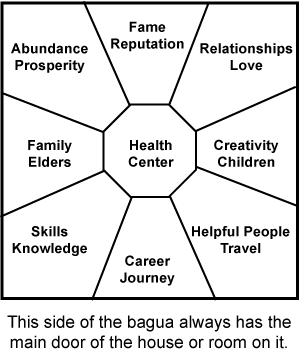
Considerado una de las herramientas más fundamental en esta práctica, el mapa occidental conocido como “bagua” se coloca encima de un plano de planta de tu hogar o negocio para localizar las mayores áreas de energía. Comenzando con la puerta de entrada, este mapa rectangular o cuadrado es el más fácil de usar porque no requiere una brújula.

Al ser dividido en nueve partes iguales, estas áreas son conocidas como guas; representando los diferentes aspectos que crean una vida balanceada y plena. Cada uno de estos guas abarca un área donde la salud, la abundancia, la vida romántica, la familia, la carrera profesional, la creatividad, la fama y reputación, al igual como el desarrollo personal e intelectual, se verán afectadas positiva o negativamente.

Al aprender a aplicar los elementos que crean el balance en nuestras vidas, y crear consciencia que todo tiene su lugar y sus vibraciones, podrás entender como este arte manifiesta su magia.

Considerado la boca del chi, la puerta de entrada es la parte más importante de la casa. El mapa bagua empieza con la puerta de entrada porque es donde la energía vital entra y sale de tu hogar. Es también donde dejas tu mundo externo y entras a tu mundo interno o viceversa. La apariencia de tu hogar es un mensaje claro de quien eres y cómo vives.

Ahora que has leído algunos de los principios básicos de feng shui, tal vez te interese aprender cómo manifestar tu propio flujo mágico, aplicando esta práctica en tu vida. Ya has dado el primer paso, el cual es reconocer que hay una energía suprema que siempre nos rodea y a la que estamos conectados a través de la naturaleza. ¿Estás listo para comenzar grandes cambios en tu vida? Enlázate a una gran aventura en tu vida…

The Magical Flow of Feng Shui

In such a fascinating and beautiful island like Puerto Rico, can you imagine the incredible magic that could flow into your life if you learn how to apply feng shui? While the energy of the Island of Enchantment flows through its deep blue ocean and majestic mountains, a festive echo that was born in the chants of the Indian Taínos, charges the atmosphere of Borinkén (Taíno name for Puerto Rico) with mystery, romance, and adventure.

Thanking the wind for breathing life into our aboriginal ancestors and the water for its restorative power to cleanse and renew us, I became fascinated with the ancient science known as feng shui.  Pronounced “fung way” and meaning in Chinese, wind and water, this philosophy states that everyone and everything in the universe is connected by a web of energy flow. Passionate about transforming places into beautiful and energizing spaces, I decided to become an expert in feng shui. 

Known as the “life force,” ” good “Chi” is created with a flow of positive energy. When this energy is disrupted or blocked in some way, it becomes stagnant, affecting one’s life in negative ways. Regardless of its ancient origins, feng shui remains compatible with the modern world we live in and can be applied anywhere in the world.

Emerging several thousand years ago during China’s Han Dynasty, feng shui created a historical impact all over the world. Before building a new city, officials asked experts of this art who were ancient, knowledgeable, and wise to find the most “auspicious” or “lucky” site. Knowing that chi could be potentially destructive as well as harmonious, these city officials wanted to make sure they applied the principles of feng shui.

While many people have the misconception that feng shui is a religion, a new age concept, or a cult anyone can apply it to his or her lifestyle, regardless of spiritual background. Its primary purpose is to enhance many aspects of your life by bringing balance and harmony into your home or business.

When you walk into a beautiful place, you may immediately feel a wonderful vibe uplifting you.  Alternatively, if you find yourself in a cluttered and dark space, your mood may shift, making you desire to leave that environment right away. Just like the body is the temple of the soul, the home is the temple of the body, and feng shui creates a harmonious environment within the home.

Taking care of your living space is essential, and the first step you must do before applying feng shui is removing all clutter. This philosophy supports that dust and disorganization mirror your mental atmosphere. If your home is chaotic, you may want to examine your emotions to identify what is causing the chaos. It also emphasizes that since everyone and everything have energy, and we are all connected, your world begins within you.

If you are like most people who have been conditioned to believe that objects don’t have energy, you may neglect some of your personal belongings and accumulate a group of items that has no purpose in your closets, attic, or basement. Believe it or not, this energy becomes dead or stagnant and impedes the flow of good chi. Also, words and emotions can impact the energy of the room. Just like happiness and harmony allow the flow of good chi, arguments, disagreements, and annoyances can disrupt the chi flow of the environment.

The Western Bagua Map is one of the most fundamental tools used in this practice. Placed over the floor plan of the home or business to locate key areas of energy. Starting with the front door, this rectangular or square map is the easiest one to use because it doesn’t require a compass. Divided the Bagua map into nine equal parts,  the guas are the areas that represent the different aspects that create a balanced and joyful life. These areas are health, abundance and prosperity, fame and reputation, relationships and love, family, creativity and children, skills and knowledge, career and helpful people and travel. Represented by one of the five elements, which are: Wood, Fire, Earth, Metal and Water, a designated color and shape symbolizes the element that enhances the energy of the specific gua.

Bagua Map
Bagua Map

The front door is the mouth of chi; the front door is the most important place in the house. The Bagua map begins with the front door because it is where vital energy enters and exits your home. It is also where you leave the outside world behind and enter your inner world. Its appearance gives a clear message to the outside world of who you are and what you stand

Now that you have read about some of the fundamental principles of feng shui, you may be interested in learning how to manifest your magical flow by applying this practice in your life.  So stay tuned for more feng shui information on the Island of Enchantment’s future articles.